
Want to start your own online business in Ghana but don't know what to sell? You're in the right place! Whether you have a little money or a lot, there's something here for you.
Here are 50 things you can sell online in Ghana to make money, grouped by category, with where to find each one and how much you'll need to start.
If you only want the quickest movers, we broke those out separately in our guide to the fast moving items to sell in Ghana.
Why Selling Online Makes Sense Right Now
More Ghanaians are buying things on their phones and computers every day. Instead of opening a physical shop (which costs a lot of money for rent, electricity, and workers), you can start selling from your home with just your phone and an internet connection.
That's exactly why we built Strawlo - to make it super easy for you to set up your online store without any tech headaches.
Food & Beverages
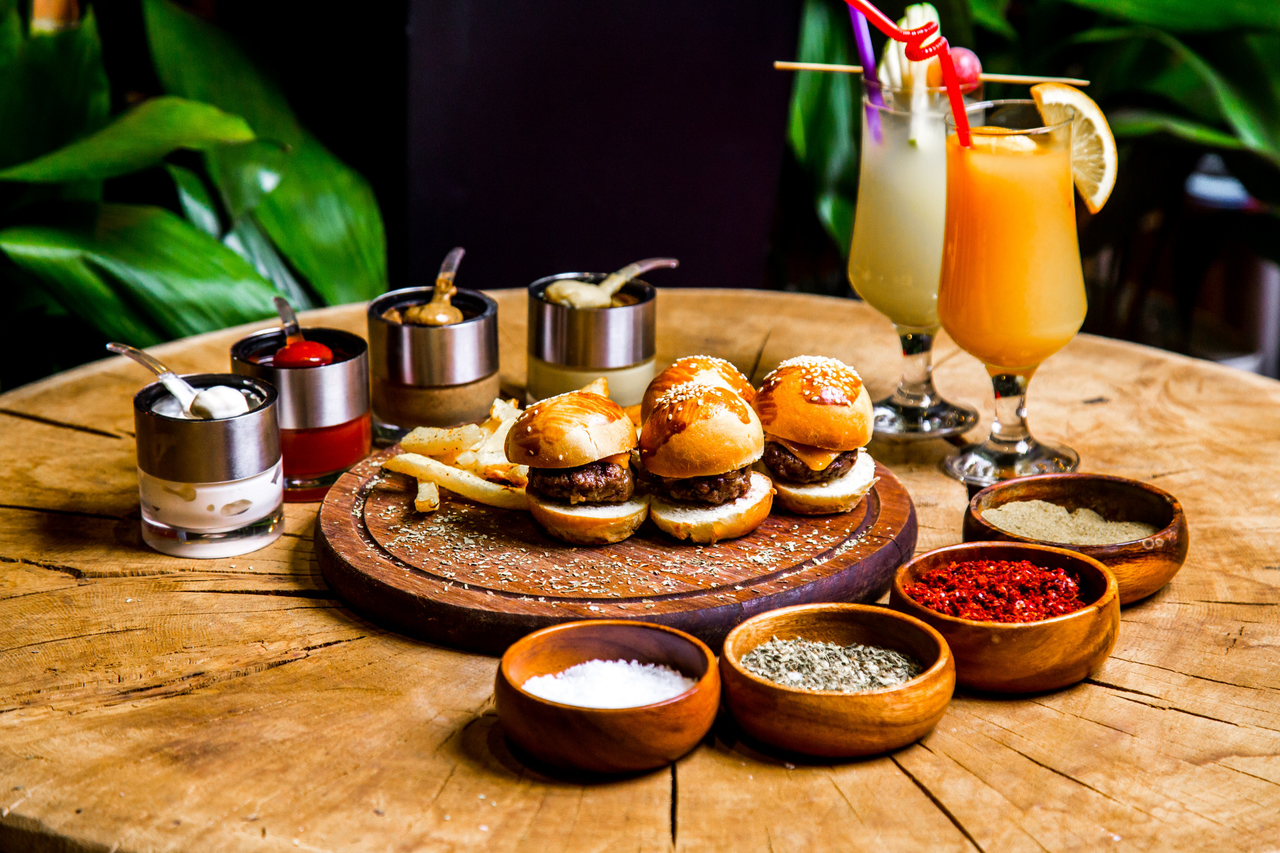
1. Packaged Local Spices
What it is: Ground pepper, ginger powder, garlic powder, dawadawa, and other spices in clean, sealed packages.
Why it sells: Busy people want spices that are already ground and ready to use. They also want to know the spices are clean.
Where to source: Buy from market women at Makola Market or Kejetia Market in bulk. You can also go directly to farmers in places like Techiman.
Starting cost: GH₵ 500 - GH₵ 1,000
How to start: Buy small quantities first, package them in clear bags with nice labels (you can print these at any printing shop), take good photos, and start selling.
2. Healthy Snack Packs
What it is: Mixed nuts, dried fruits, coconut chips, or plantain chips in small portions.
Why it sells: People want to eat healthy, especially office workers who need quick snacks.
Where to source: Buy nuts from Makola Market or contact suppliers on Jumia or Tonaton. For plantain chips, you can make them yourself or buy from local producers.
Starting cost: GH₵ 800 - GH₵ 1,500
How to start: Create variety packs (like mixing cashews with raisins), package them nicely, and target people who work in offices or go to the gym.
3. Homemade Fruit Juices
What it is: Fresh juices like bissap (sobolo), fresh ginger drink, or mixed fruit juices in bottles.
Why it sells: People want healthy drinks without too much sugar, and they trust homemade more than factory-made.
Where to source: Buy fruits from Agbogbloshie Market or directly from farmers. Buy bottles from plastic suppliers in Accra or Kumasi.
Starting cost: GH₵ 1,000 - GH₵ 1,500
How to start: Start small by making 20-30 bottles. Focus on delivery within your area first. Make sure everything is very clean.
4. Waakye Leaves (Dried)
What it is: The special leaves that give waakye its brown color, dried and packaged.
Why it sells: Not everyone can find fresh waakye leaves, so dried ones are convenient.
Where to source: Buy from northern Ghana (Tamale area) where they grow naturally. Contact market women who specialize in dried foods.
Starting cost: GH₵ 400 - GH₵ 800
How to start: Package them in small amounts (enough for one pot of waakye) with clear instructions on how to use them.
5. Shito (Pepper Sauce)
What it is: Homemade black pepper sauce that Ghanaians love to eat with everything.
Why it sells: Good homemade shito always has buyers, especially Ghanaians living abroad or busy people who don't have time to make it.
Where to source: Make it yourself or find women in your community who make delicious shito. Buy ingredients in bulk from Makola Market.
Starting cost: GH₵ 1,000 - GH₵ 3,000
How to start: Use clean jars, create a catchy name, make sure it tastes amazing, and start with friends and family first.
Beauty & Personal Care
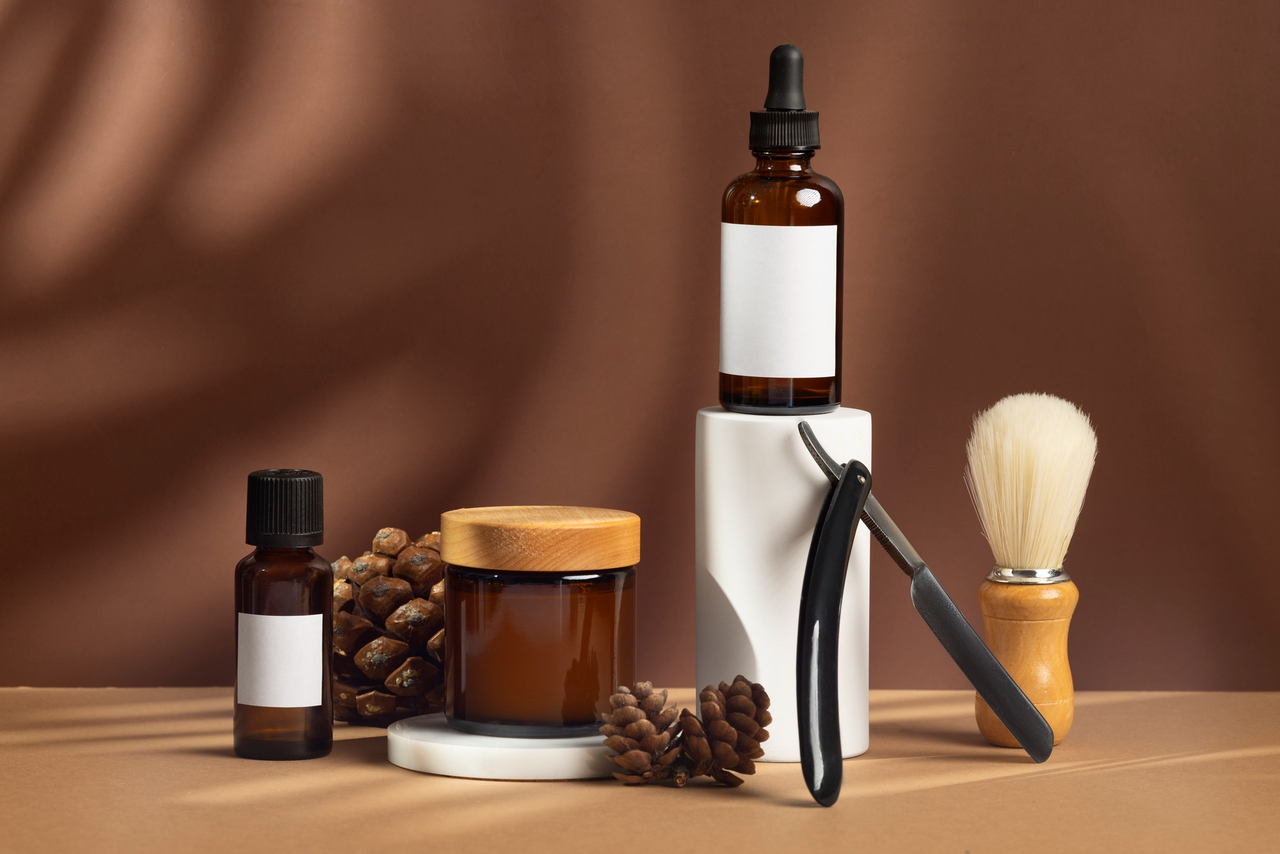
6. Shea Butter (Pure & Scented)
What it is: Natural shea butter, either plain or mixed with nice scents like lavender or coconut.
Why it sells: Shea butter is great for skin and hair. Both Ghanaians and foreigners love it.
Where to source: Buy directly from women in northern Ghana (Tamale, Bolgatanga) or from Makola Market. For scented versions, add essential oils from pharmacies or beauty supply stores.
Starting cost: GH₵ 1,000 - GH₵ 2,500
How to start: Package in small and medium-sized containers. Take beautiful photos showing the texture. Explain the benefits (moisturizes skin, helps with stretch marks, etc.).
7. Black Soap (Alata Samina)
What it is: Traditional Ghanaian black soap made from plantain skins and palm oil.
Why it sells: It's natural, helps with skin problems like acne, and is becoming popular worldwide.
Where to source: Buy from producers in Ashanti Region or northern Ghana. Many women make it in bulk.
Starting cost: GH₵ 800 - GH₵ 2,000
How to start: Buy in bulk, cut into smaller pieces, wrap beautifully with information about the benefits, and target people with skin problems.
8. Hair Products (Pomades, Gels, Leave-in Conditioners)
What it is: Products for natural hair care, especially for African hair types.
Why it sells: More Ghanaian women are wearing their natural hair and need good products.
Where to source: Contact local manufacturers or buy wholesale from beauty supply shops in Accra or Kumasi. You can also rebrand generic products.
Starting cost: GH₵ 1,500 - GH₵ 3,000
How to start: Focus on one or two products first. Create before-and-after content showing how they work.
9. Handmade Soaps
What it is: Soaps made with natural ingredients like honey, turmeric, or charcoal.
Why it sells: People want alternatives to commercial soaps, especially for sensitive skin.
Where to source: Learn to make them yourself (many YouTube tutorials available) or partner with local soap makers.
Starting cost: GH₵ 1,000 - GH₵ 2,500
How to start: Start with 3-4 varieties (like charcoal soap for acne, honey soap for dry skin). Make them look attractive and smell good.
10. Natural Hair Extensions
What it is: Wigs, braids, and hair extensions.
Why it sells: Every woman needs hair extensions, and they need to replace them regularly.
Where to source: Import from China (through Alibaba) or buy wholesale from hair shops in Accra Central or Kumasi Central.
Starting cost: GH₵ 8,000 - GH₵ 15,000
How to start: Focus on one type first (like Brazilian hair or synthetic braids). Show real pictures of the hair on actual people.
Fashion & Accessories
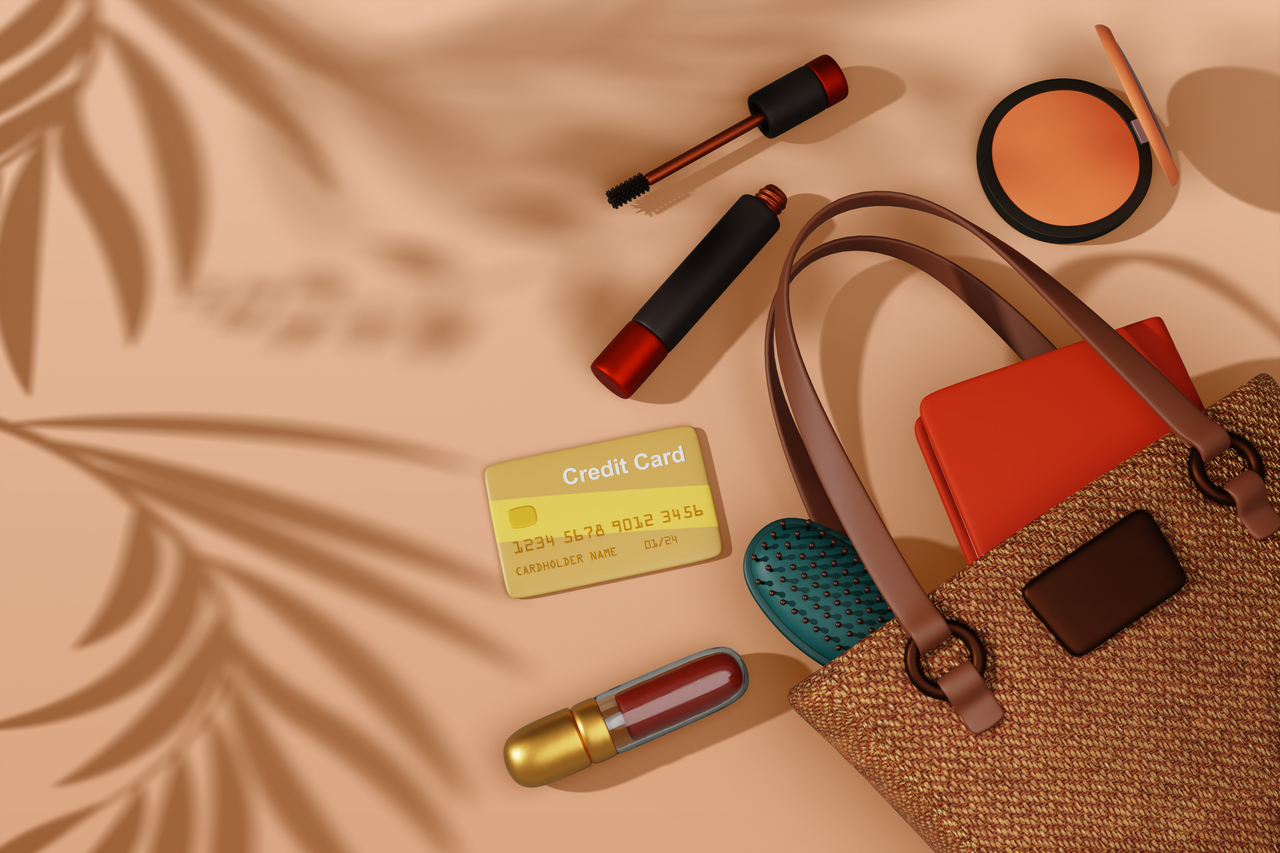
11. African Print Fabrics
What it is: Colorful fabrics with African patterns (ankara, kente, wax print).
Why it sells: People need fabric for clothing, events, and home decorations.
Where to source: Buy from Makola Market, Kantamanto Market, or directly from fabric importers. You can also buy from wholesalers in Togo.
Starting cost: GH₵ 3,000 - GH₵ 8,000
How to start: Buy variety of popular designs. Take clear photos showing the colors accurately. Offer delivery within Accra or Kumasi.
12. Beaded Jewelry
What it is: Necklaces, bracelets, earrings, and anklets made from African beads.
Why it sells: People love unique, handmade jewelry for both everyday wear and special occasions.
Where to source: Buy beads from Arts Centre in Accra or Kejetia Market. You can also learn to make jewelry yourself or partner with local artisans.
Starting cost: GH₵ 800 - GH₵ 1,500
How to start: Create different styles for different customers (simple ones for everyday, fancy ones for weddings). Show them on actual people in your photos.
13. Waist Beads
What it is: Traditional beads worn around the waist for beauty and cultural reasons.
Why it sells: They're part of Ghanaian culture and are also becoming trendy fashion accessories.
Where to source: Buy from bead makers at Arts Centre or Makola Market. Some areas in Greater Accra specialize in making them.
Starting cost: GH₵ 500 - GH₵ 1,500
How to start: Offer custom sizes and color combinations. Explain the cultural significance and how to wear them properly.
14. T-Shirts with Ghanaian Sayings
What it is: T-shirts with funny Ghanaian phrases, local language words, or patriotic designs.
Why it sells: Ghanaians love to show their identity and humor through clothing.
Where to source: Buy plain shirts wholesale and get them printed at any screen printing shop in your city. Popular areas include Kaneshie and Lapaz in Accra.
Starting cost: GH₵ 1,000 - GH₵ 4,000
How to start: Come up with catchy sayings or designs, start with 10-20 pieces in different sizes, and model them in your photos.
15. Leather Bags and Wallets
What it is: Handbags, laptop bags, wallets, and purses made from leather or quality synthetic materials.
Why it sells: Everyone needs bags, and quality ones last long.
Where to source: Buy from leather workers in Kumasi (Asafo Market area) or import from China. You can also find suppliers in Accra's Industrial Area.
Starting cost: GH₵ 4,000 - GH₵ 10,000
How to start: Focus on versatile styles that work for both office and casual wear. Show the bags in use, not just laying on a bed.
Electronics & Gadgets
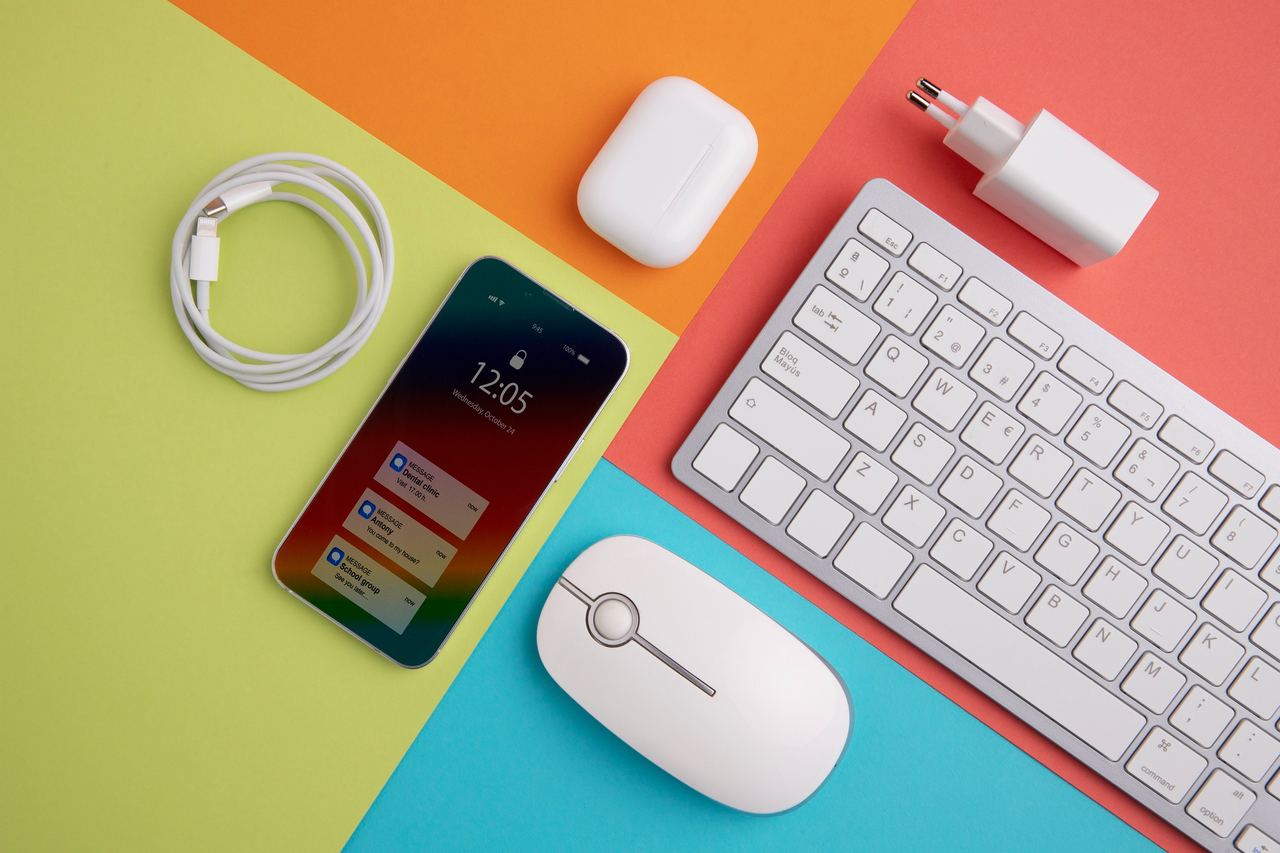
16. Phone Accessories
What it is: Phone cases, screen protectors, chargers, earphones, and phone holders.
Why it sells: Everyone has a phone and needs these accessories regularly.
Where to source: Import from China (Alibaba, AliExpress) or buy wholesale from electronics shops in Accra Central or Kumasi Central.
Starting cost: GH₵ 1,500 - GH₵ 5,000
How to start: Focus on popular phone brands in Ghana (Samsung, iPhone, Tecno, Infinix). Keep prices affordable and offer fast delivery.
17. Portable Phone Chargers (Power Banks)
What it is: Battery packs that charge phones when there's no electricity.
Why it sells: With power outages (dumsor) being a problem, everyone needs backup power.
Where to source: Import from China or buy wholesale from electronics suppliers in Accra or Kumasi.
Starting cost: GH₵ 3,000 - GH₵ 8,000
How to start: Offer different capacities (5000mAh, 10000mAh, 20000mAh). Provide clear information about how many times each one can charge a phone.
18. Bluetooth Speakers
What it is: Wireless speakers that play music from phones.
Why it sells: People use them for parties, churches, outdoor events, and personal entertainment.
Where to source: Import from China or buy wholesale from electronics shops in Accra or Kumasi.
Starting cost: GH₵ 4,000 - GH₵ 9,000
How to start: Offer speakers in different sizes and prices. Make videos showing the sound quality and features.
19. Smart Watches
What it is: Watches that connect to phones and track fitness, receive messages, etc.
Why it sells: They're becoming popular for both style and health tracking.
Where to source: Import from China (many affordable brands available) or buy wholesale from electronics suppliers.
Starting cost: GH₵ 3,000 - GH₵ 7,000
How to start: Focus on affordable options first. Explain clearly what features each watch has (fitness tracking, call notifications, etc.).
20. LED Bulbs
What it is: Energy-saving light bulbs that use less electricity.
Why it sells: Electricity is expensive in Ghana, so people want bulbs that save energy.
Where to source: Buy wholesale from electrical shops in Industrial Area (Accra) or buy directly from importers.
Starting cost: GH₵ 2,500 - GH₵ 5,000
How to start: Offer different wattages and explain how much money people can save on electricity bills. Offer bulk discounts for people furnishing new homes.
Home & Living
21. Bed Sheets and Pillow Cases
What it is: Quality bedding in various sizes and designs.
Why it sells: Everyone needs bed sheets, and they need to replace them regularly.
Where to source: Buy from textile shops in Makola Market or Kumasi Central Market. You can also import from China.
Starting cost: GH₵ 4,000 - GH₵ 10,00
How to start: Offer sets (sheets + pillow cases together). Show them on actual beds, not folded. Focus on quality and good thread count.
22. Curtains
What it is: Window treatments in different styles, colors, and sizes.
Why it sells: People moving into new homes or renovating always need curtains.
Where to source: Buy from fabric markets or partner with tailors who specialize in curtains.
Starting cost: GH₵ 4,000 - GH₵ 9,000
How to start: Offer both ready-made and custom-made options. Show photos of curtains hanging in real rooms, not just the fabric.
23. Kitchen Utensils
What it is: Cooking spoons, pots, plates, cups, cutlery, and kitchen tools.
Why it sells: People are always setting up new kitchens or replacing broken items.
Where to source: Buy wholesale from kitchenware shops in Makola Market, Kantamanto, or Industrial Area.
Starting cost: GH₵ 3,000 - GH₵ 8,000
How to start: Create kitchen starter packs for newlyweds or people moving into new homes. Bundle items together at a discount.
24. Scented Candles
What it is: Decorative candles that smell nice and light up homes.
Why it sells: People use them during power outages and to make their homes smell good.
Where to source: Make them yourself (very easy to learn) or buy from local candle makers. Buy supplies from craft shops or online.
Starting cost: GH₵ 1,500 - GH₵ 4,000
How to start: Create different scents (lavender, vanilla, lemon, etc.). Package them beautifully. Perfect for gifts.
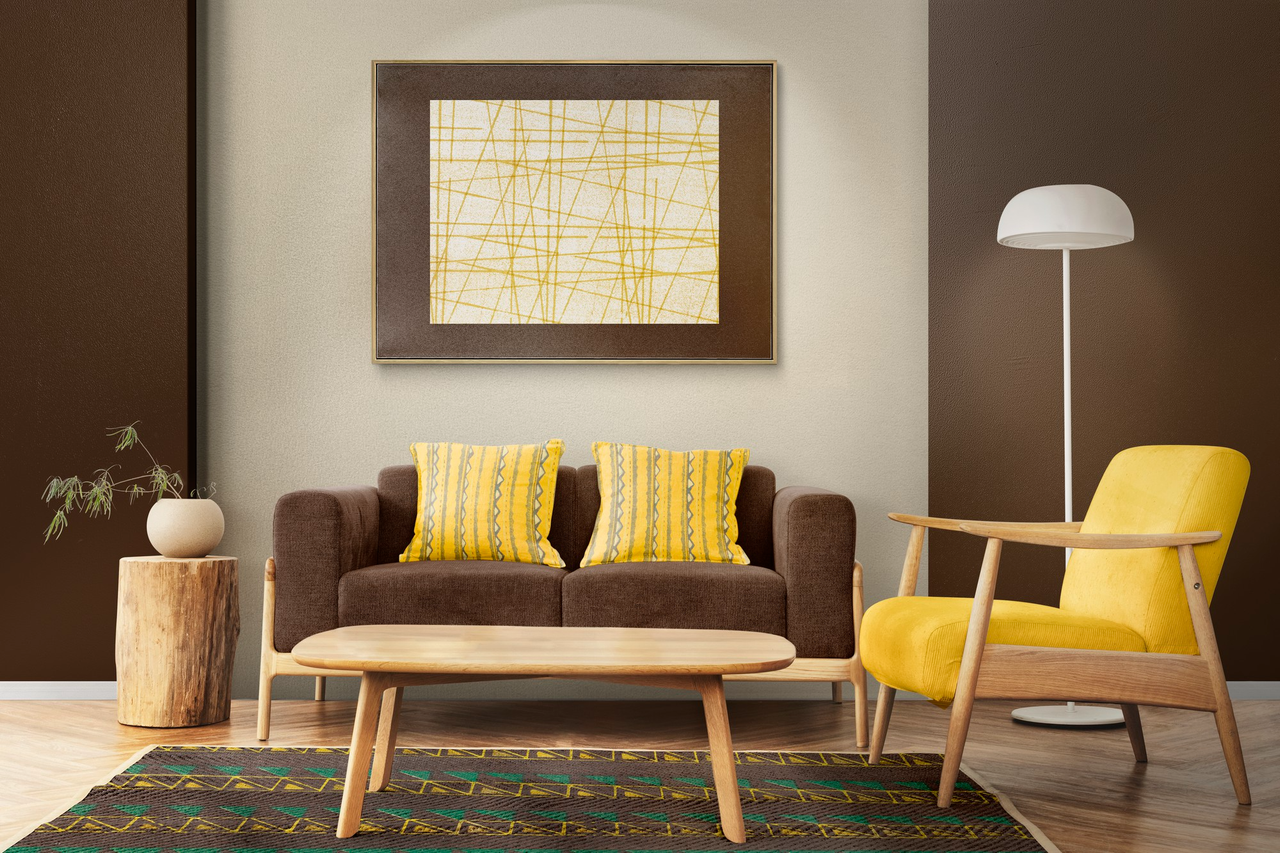
25. Wall Art and Frames
What it is: Pictures, paintings, and frames to decorate walls.
Why it sells: Everyone wants their home or office to look nice.
Where to source: Partner with local artists, print designs yourself, or buy wholesale frames and add your own art.
Starting cost: GH₵ 1,800 - GH₵ 5,000
How to start: Focus on African-themed art, motivational quotes, or religious themes. Show them hanging on actual walls.
Baby & Children's Products
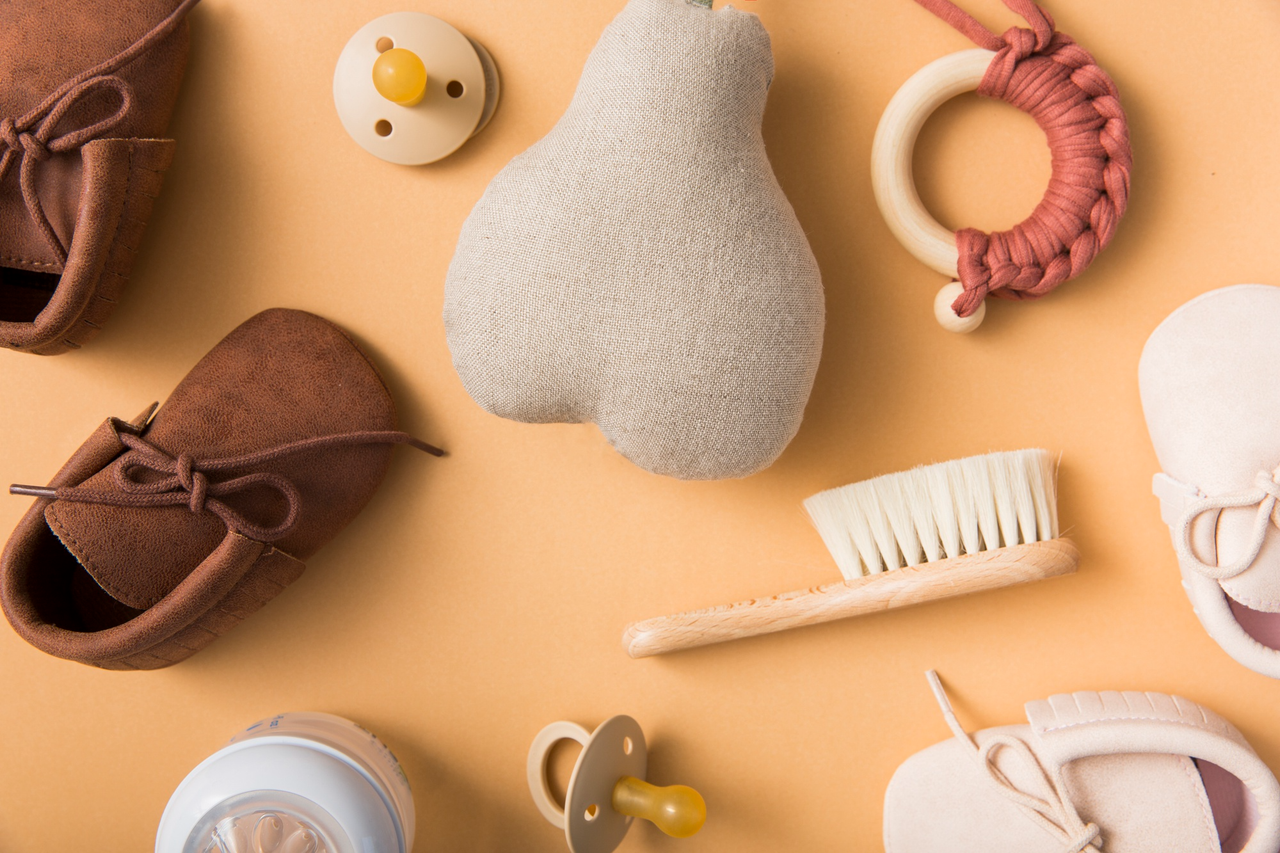
26. Baby Clothes
What it is: Clothing for babies and toddlers (0-3 years).
Why it sells: Babies grow fast, so parents constantly need new clothes.
Where to source: Import from China, buy wholesale from Kantamanto Market.
Starting cost: GH₵ 1,500 - GH₵ 4,500
How to start: Focus on quality, comfortable fabrics. Offer different sizes and create gift sets for baby showers.
27. Diapers
What it is: Disposable baby diapers in various sizes.
Why it sells: Parents need diapers every single day. It's a necessity.
Where to source: Buy wholesale from supermarket distributors or import directly. Contact companies like PZ Cussons or other diaper distributors.
Starting cost: GH₵ 2,000 - GH₵ 5,000
How to start: Buy in bulk and sell at competitive prices. Offer subscription services where parents order monthly and you deliver.
28. Educational Toys
What it is: Toys that help children learn (puzzles, building blocks, books with pictures).
Why it sells: Parents want their children to learn while playing.
Where to source: Import from China or buy wholesale from toy shops in Accra or Kumasi. Some local craftspeople also make wooden educational toys.
Starting cost: GH₵ 2,000 - GH₵ 5,000
How to start: Group toys by age (0-2 years, 3-5 years, etc.). Explain what skills each toy helps develop.
29. School Supplies
What it is: Exercise books, pens, pencils, erasers, school bags, and uniforms.
Why it sells: Every parent with school-age children needs these, especially at the start of each term.
Where to source: Buy wholesale from stationery suppliers in Industrial Area (Accra) or from major markets.
Starting cost: GH₵ 3,000 - GH₵ 7,000
How to start: Create back-to-school packages. Market heavily in August-September when school is resuming.
30. Baby Care Products
What it is: Baby powder, lotions, shampoos, wipes, and bathing essentials.
Why it sells: Parents constantly need these products.
Where to source: Buy wholesale from pharmaceutical suppliers or partner with local manufacturers of natural baby products.
Starting cost: GH₵ 2,000 - GH₵ 8,000
How to start: Create baby care bundles. Focus on natural, gentle products that are safe for baby's skin.
Health & Fitness

31. Herbal Teas
What it is: Natural teas for health (moringa, hibiscus, ginger, tumeric).
Why it sells: People want natural ways to stay healthy.
Where to source: Buy from herbal medicine sellers, farms, or make them yourself by drying herbs properly.
Starting cost: GH₵ 700 - GH₵ 2,500
How to start: Package in tea bags or loose in containers. Clearly explain the health benefits of each type.
32. Fitness Equipment
What it is: Resistance bands, yoga mats, dumbbells, jump ropes, and other home workout tools.
Why it sells: More people want to exercise at home instead of paying for gym memberships.
Where to source: Import from China or buy wholesale from sports equipment suppliers.
Starting cost: GH₵ 3,000 - GH₵ 8,000
How to start: Create home workout starter packs. Share simple workout videos showing how to use the equipment.
33. Food Supplements
What it is: Vitamins, protein powder, weight loss teas, or other health supplements.
Why it sells: People want to improve their health and fitness.
Where to source: Partner with registered supplement distributors or get proper licensing to import. Must be FDA-approved products.
Starting cost: GH₵ 1,500 - GH₵ 4,000
How to start: IMPORTANT: Make sure you have proper approval from Ghana's Food and Drugs Authority. Only sell registered products.
34. Water Bottles (Reusable)
What it is: Durable bottles for carrying water, especially for gym and office.
Why it sells: People want to save money (instead of buying sachet water).
Where to source: Import from China or buy wholesale from suppliers.
Starting cost: GH₵ 2,000 - GH₵ 5,000
How to start: Offer different sizes and styles. Consider bottles with measurements for people tracking water intake.
35. Essential Oils
What it is: Concentrated natural oils (eucalyptus, tea tree, lavender) for aromatherapy and health.
Why it sells: Growing interest in natural health solutions.
Where to source: Import from international suppliers or buy from local herbalists and natural product makers.
Starting cost: GH₵ 2,500 - GH₵ 5,000
How to start: Educate customers on how to use each oil. Create blend combinations for specific purposes (sleep, energy, focus).
Books & Stationery
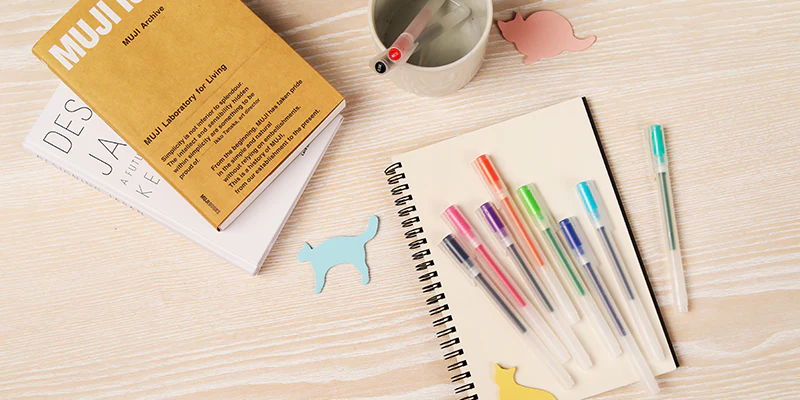
36. Notebooks and Journals
What it is: Exercise books, planners, journals, and diaries.
Why it sells: Students, workers, and business people always need to write things down.
Where to source: Buy wholesale from stationery suppliers in Accra or Kumasi.
Starting cost: GH₵ 1,500 - GH₵ 4,000
How to start: Offer personalized options (custom covers with names). Create planners specifically for Ghanaian users (with Ghanaian holidays marked).
37. Inspirational Books
What it is: Books about success, motivation, business, and personal development.
Why it sells: Ghanaians love reading books that inspire and teach.
Where to source: Buy from local publishers, import popular titles, or sell as an affiliate for international publishers.
Starting cost: GH₵ 3,500 - GH₵ 8,000
How to start: Focus on popular authors and topics. Share quotes and lessons from the books to attract buyers.
38. Children's Story Books
What it is: Books with stories and pictures for children.
Why it sells: Parents want their children to develop reading habits early.
Where to source: Buy from local publishers like EPP Books, Sub-Saharan Publishers, or Smart Line. Some bookshops also offer wholesale.
Starting cost: GH₵ 1,500 - GH₵ 4,000
How to start: Group books by age. Offer bundles at discounted prices. Share the lessons each book teaches.
39. Art Supplies
What it is: Paints, brushes, sketchbooks, colored pencils, and other materials for creating art.
Why it sells: Art students, hobbyists, and professional artists need these regularly.
Where to source: Buy wholesale from art supply shops or import from China.
Starting cost: GH₵ 3,000 - GH₵ 5,000
How to start: Create starter packs for beginners. Show examples of what can be created with your supplies.
40. Office Stationery
What it is: Staplers, files, folders, paper, pens, and other office supplies.
Why it sells: Businesses and home offices constantly need these items.
Where to source: Buy wholesale from stationery suppliers in Industrial Area or major markets.
Starting cost: GH₵ 3,000 - GH₵ 5,000
How to start: Target small businesses and people who work from home. Offer bulk discounts and delivery.
Agriculture & Gardening
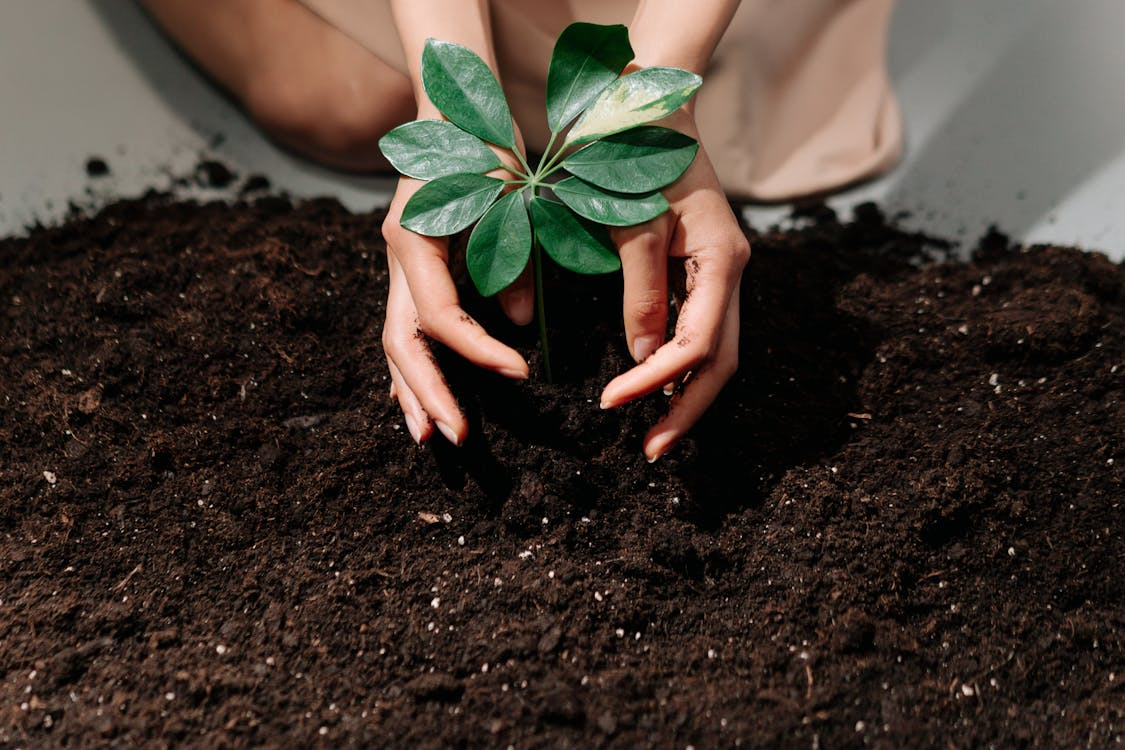
41. Seedlings and Seeds
What it is: Seeds or young plants for vegetables, fruits, and flowers.
Why it sells: More people want to grow their own food at home.
Where to source: Buy from agricultural research stations, seed companies, or established farmers.
Starting cost: GH₵ 1,000 - GH₵ 2,000
How to start: Focus on fast-growing vegetables like lettuce, tomatoes, and peppers. Include simple growing instructions.
42. Organic Fertilizer
What it is: Natural fertilizer made from compost or animal waste.
Why it sells: Farmers and home gardeners need fertilizer, and many prefer organic options.
Where to source: Make it yourself (composting is easy) or buy from organic farms.
Starting cost: GH₵ 1,500 - GH₵ 4,000
How to start: Package in different sizes (small for home gardens, large for farms). Explain the benefits over chemical fertilizers.
43. Gardening Tools
What it is: Shovels, rakes, watering cans, gloves, and other gardening equipment.
Why it sells: Anyone who gardens needs proper tools.
Where to source: Buy from hardware shops in Industrial Area or import from China.
Starting cost: GH₵ 3,000 - GH₵ 9,000
How to start: Create beginner gardening kits with basic tools. Offer tips on how to use each tool properly.
44. Live Chickens and Eggs
What it is: Chickens for rearing and fresh eggs for eating.
Why it sells: People want fresh, organic eggs and chicken meat.
Where to source: Partner with local poultry farmers or start your own small poultry.
Starting cost: GH₵ 2,000 - GH₵ 4,000
How to start: Focus on free-range or organic options. Offer delivery of fresh eggs weekly. Make sure you follow health regulations.
45. Snail Farming Products
What it is: Live snails for eating or for people who want to start snail farming.
Why it sells: Snail meat is popular in Ghana and snail farming is a growing business.
Where to source: Start your own snail farm (they multiply fast) or partner with existing snail farmers.
Starting cost: GH₵ 2,000 - GH₵ 4,500
How to start: Sell both live snails and cleaned, ready-to-cook snails. Target restaurants and hotels. Share recipes.
Pet Products

46. Dog and Cat Food
What it is: Packaged food for pets, both imported brands and local options.
Why it sells: More Ghanaians are keeping pets and need quality food for them.
Where to source: Buy wholesale from pet shops or import from international suppliers. You can also make natural pet food yourself.
Starting cost: GH₵ 2,000 - GH₵ 6,000
How to start: Start with popular brands. Offer home delivery and subscription services (monthly food delivery). Partner with veterinarians who can recommend your products.
47. Pet Accessories
What it is: Collars, leashes, pet beds, toys, grooming tools, and feeding bowls.
Why it sells: Pet owners want their animals to be comfortable and well-cared for.
Where to source: Import from China or buy wholesale from pet supply shops in Accra.
Starting cost: GH₵ 3,000 - GH₵ 8,000
How to start: Focus on popular pets (dogs and cats). Show the products on actual pets in your photos. Create starter packs for new pet owners.
Religious Products
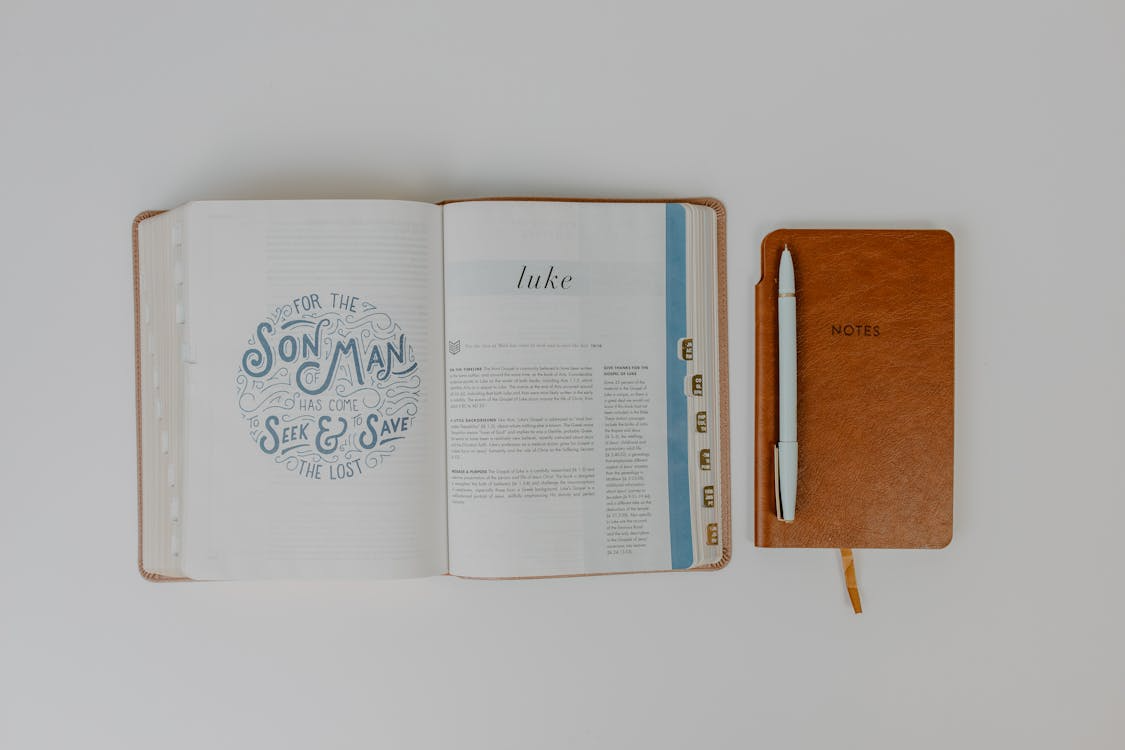
48. Prayer Items
What it is: Rosaries, prayer mats, religious books, anointing oils, bibles, bible journals.
Why it sells: Ghana is a very religious country. People constantly need items for worship and prayer.
Where to source: Buy from religious bookshops, import from international suppliers.
Starting cost: GH₵ 2,500 - GH₵ 6,000
How to start: Choose a particluar religion(eg.Christians) and sell to them. Package items beautifully as they're often given as gifts.
Accessories
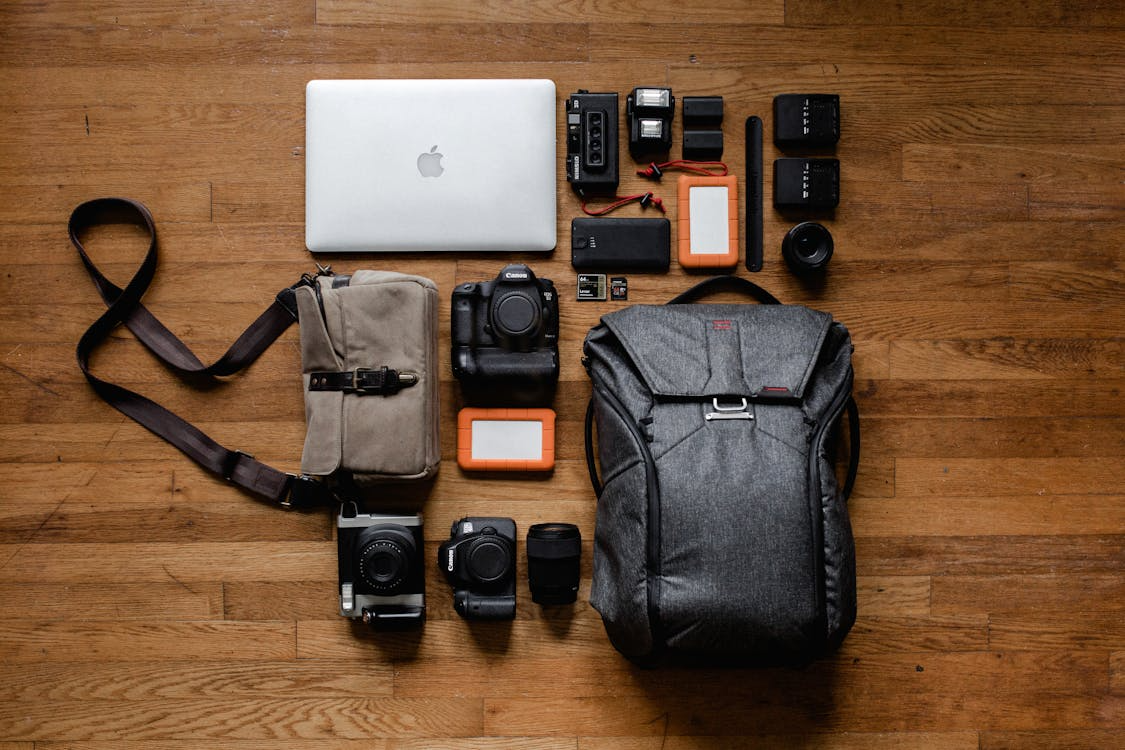
49. Laptop Bags and Backpacks
What it is: Bags for carrying laptops, tablets, and work items. Also student backpacks.
Why it sells: Students, workers, and business people need bags to carry their electronics safely.
Where to source: Buy wholesale from bag suppliers in Accra or Kumasi, or import from China.
Starting cost: GH₵ 2,000 - GH₵ 7,000
How to start: Offer different sizes for different laptop sizes (13-inch, 15-inch, 17-inch). Focus on bags with good padding and multiple compartments. Show the bags being used by real people.
Automotive Products
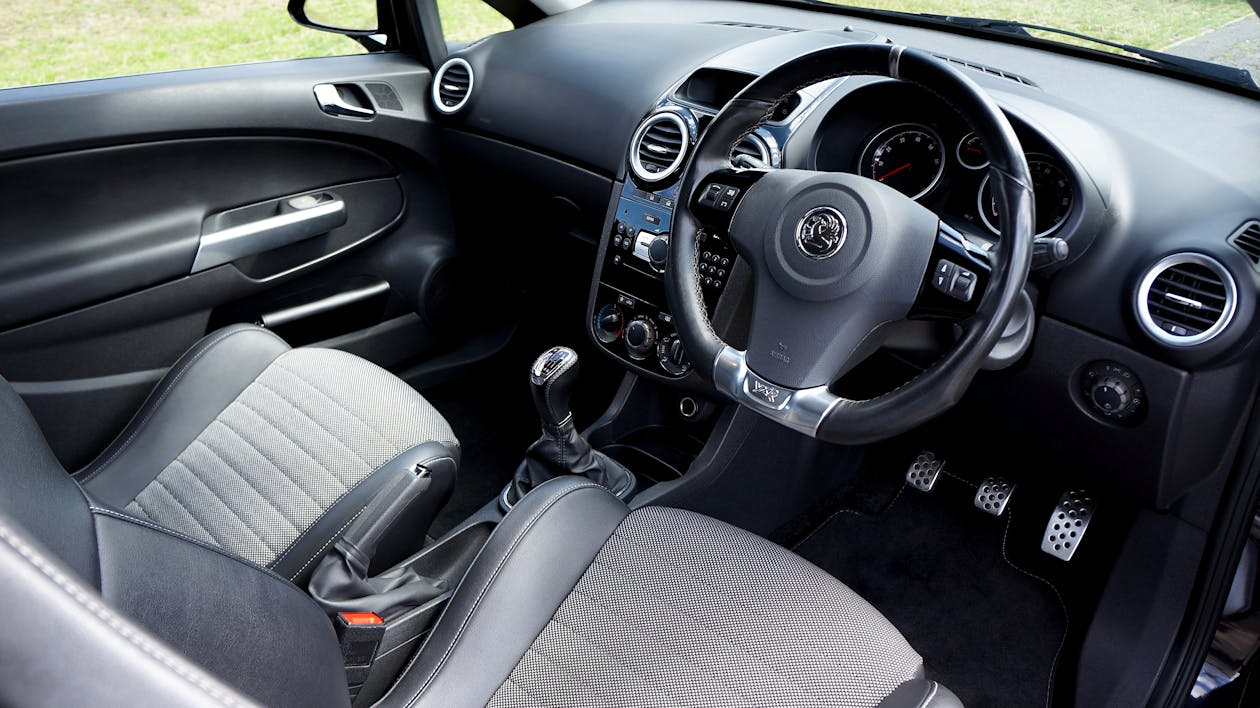
50. Car Accessories
What it is: Phone holders, air fresheners, seat covers, floor mats, and car chargers.
Why it sells: Many Ghanaians own cars or work as drivers and want to make their vehicles comfortable.
Where to source: Buy wholesale from automotive shops in Industrial Area (Accra) or Suame Magazine (Kumasi). You can also import from China.
Starting cost: GH₵ 3,000 - GH₵ 7,000
How to start: Focus on practical items that every driver needs. Offer installation tips. Target taxi and Uber drivers who spend all day in their cars.
General Tips for Sourcing Products
Buy wholesale, never retail: When you buy in bulk, you get better prices and make more profit.
Inspect before buying: Always check the quality. Don't buy products you haven't seen, especially if it's your first time.
Build relationships: Be friendly with your suppliers. Good relationships mean better prices and priority when products are scarce.
Start small: Don't invest all your money at once. Buy a little, sell it, then reinvest the profit and buy more.
Know the real from the fake: Many products in Ghana have fake versions. Learn to identify quality so you don't lose customers.
Consider import duties: If you're importing, remember you'll pay taxes and customs duties. Factor this into your pricing.
How Much Money Do You Need?
Every product above has a rough starting cost, and most of them start small. If you are working with a set budget, these guides show what that amount can realistically start:
- What business can I start with 1,000 cedis?
- What business can I start with 2,000 cedis?
- What business can I start with 5,000 cedis?
- What business can I start with 10,000 cedis?
Where to Sell
You don't need a shop. Most online sellers in Ghana start on WhatsApp and Instagram, then add their own store link once orders pick up. Our guides on how to sell on WhatsApp in Ghana and selling on Instagram vs having your own store cover both.
Ready to Start Selling?
Now you have 50 product ideas, but ideas don't make money — action does. Pick ONE product that excites you and that you can afford to start with. Don't try to sell everything at once.
The best part? You don't need to worry about building a website or figuring out technology. Strawlo makes it super easy to create your online store in minutes — no coding, no stress.
Your next step: Create your Strawlo store, add your first product, and start sharing with your friends and family. That's how every successful business begins.
Good luck, and welcome to the world of online selling!
Get weekly business tips
Join 1,000+ entrepreneurs growing their online businesses.
No spam, ever. Unsubscribe anytime.